Insider insights, acclimatization advice, and luxury hotel reviews by our Andean travel curators.
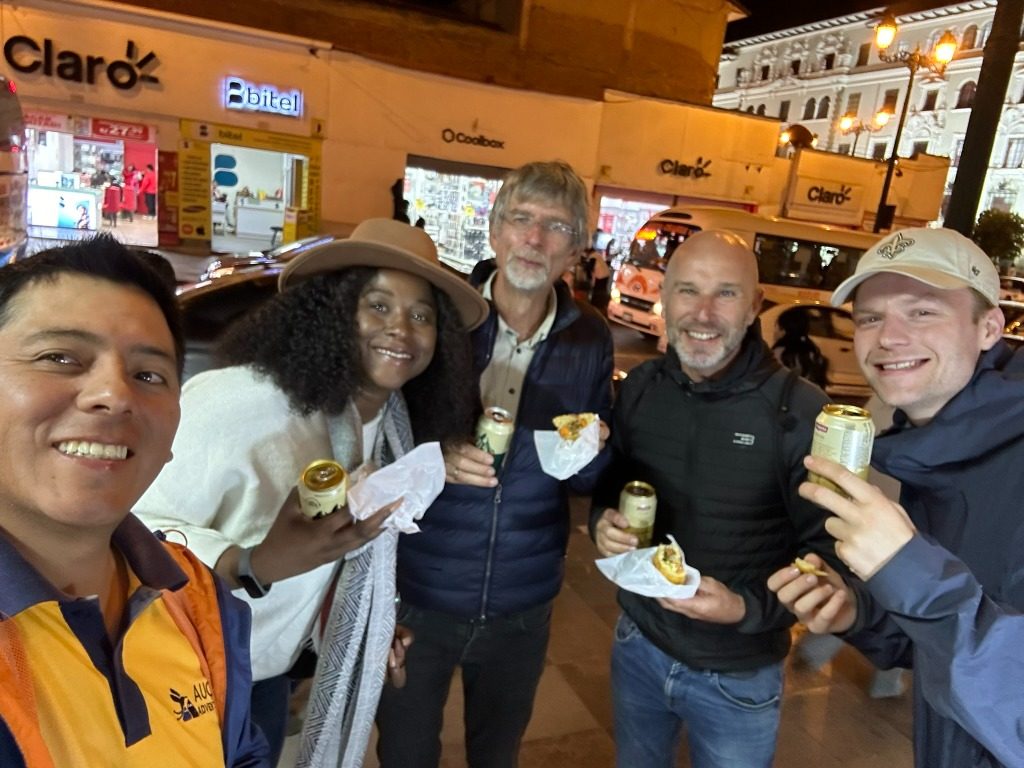
Some of the best food in Cusco is not served in restaurants. It comes from charcoal grills on street corners, tricycle carts and family kitchens called huariques. Here is what people in Cusco eat at each time of day, the dishes worth looking for, and how to order them, from the guide behind our night food tour.
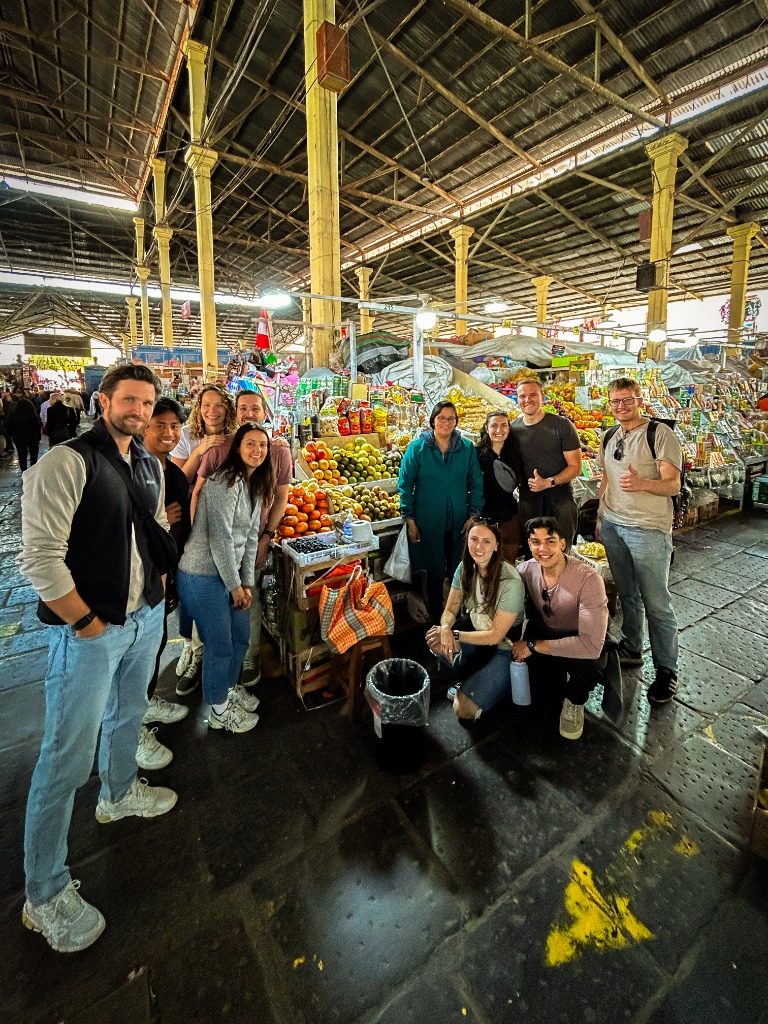
San Pedro Market (Mercado Central de San Pedro) is Cusco’s main market, a short walk southwest of the Plaza de Armas. People in Cusco shop here for fruit, bread, cheese, potatoes and herbs, and eat at its lunch counters. This guide covers when to go, what to taste, what to buy and how to keep your valuables safe.
Yes, Cusco street food is safe for most travelers if you choose stalls the way people in Cusco do: food cooked hot in front of you, at busy stalls where ingredients sell out every day. The real risks are raw foods, tap water and ice, and eating heavily in your first days at altitude. Here is how to enjoy the street food without spending a day of your trip in bed.
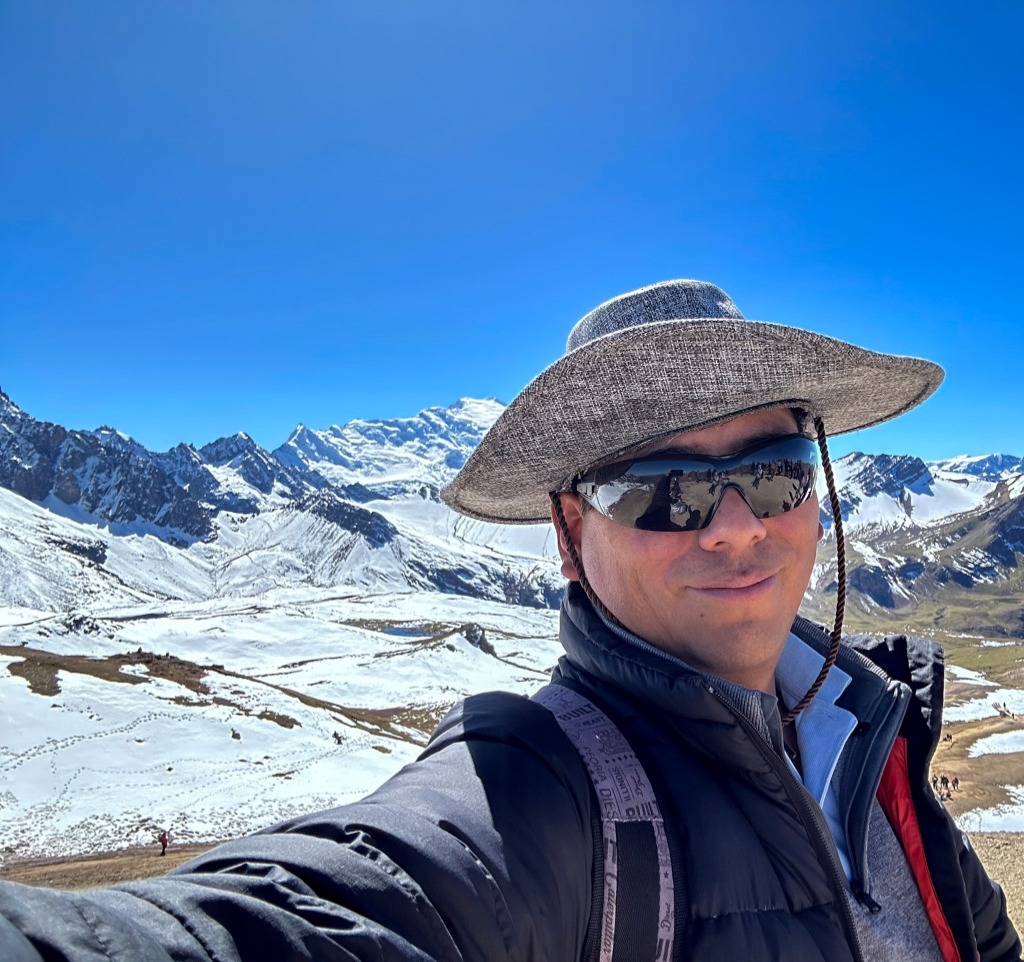
Arriving in the Andes is a breathtaking experience in more ways than one. At 3,399 meters (11,152 feet), Cusco’s rarefied air requires a thoughtful approach to acclimatization so you can explore the Inca Empire with energy and comfort.
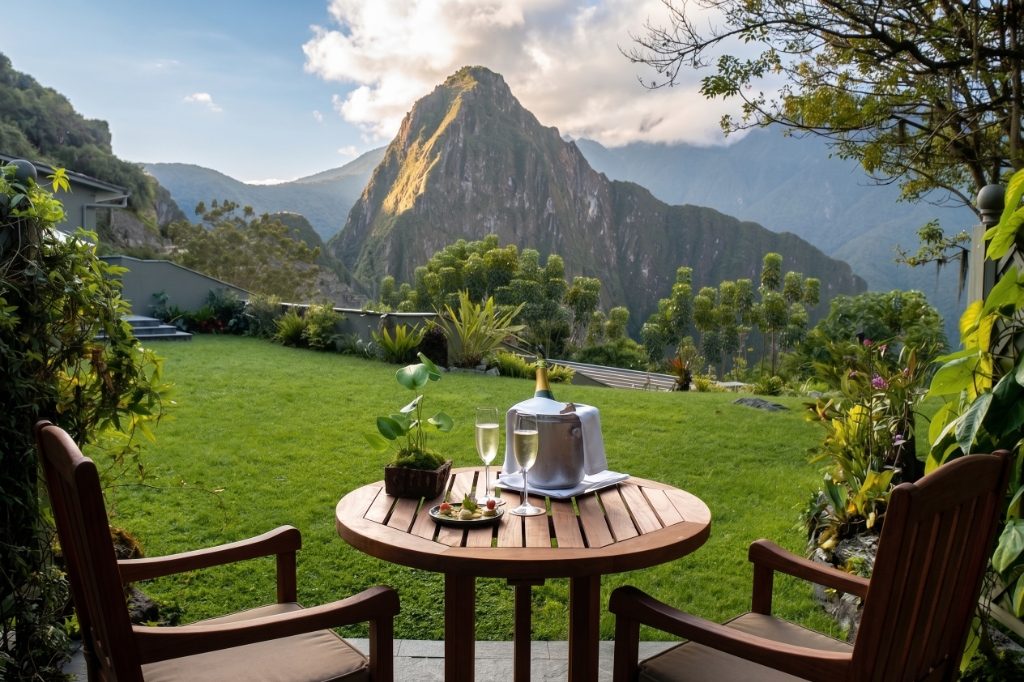
Framed by glacier-capped peaks and carved by the Urubamba River, the Sacred Valley boasts South America’s finest sanctuary resorts. Here are our top 5 luxury boutique properties where world-class hospitality meets ancient Incan heritage.
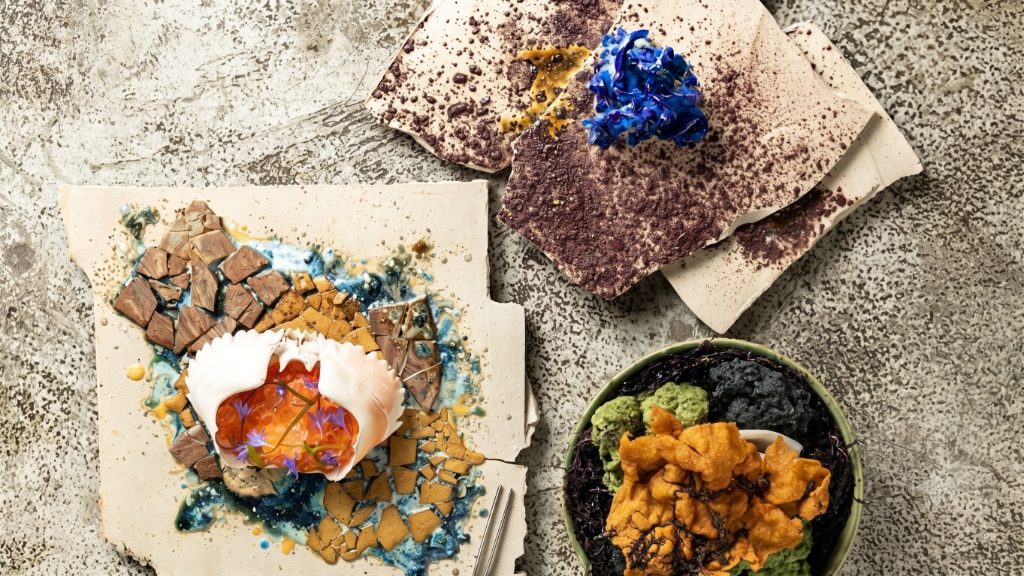
Lima is universally recognized as the Culinary Capital of the Americas. Blessed with the biodiverse Pacific Humboldt Current, Amazonian superfoods, and Andean crops, Lima’s chefs have elevated gastronomy into a global art form.